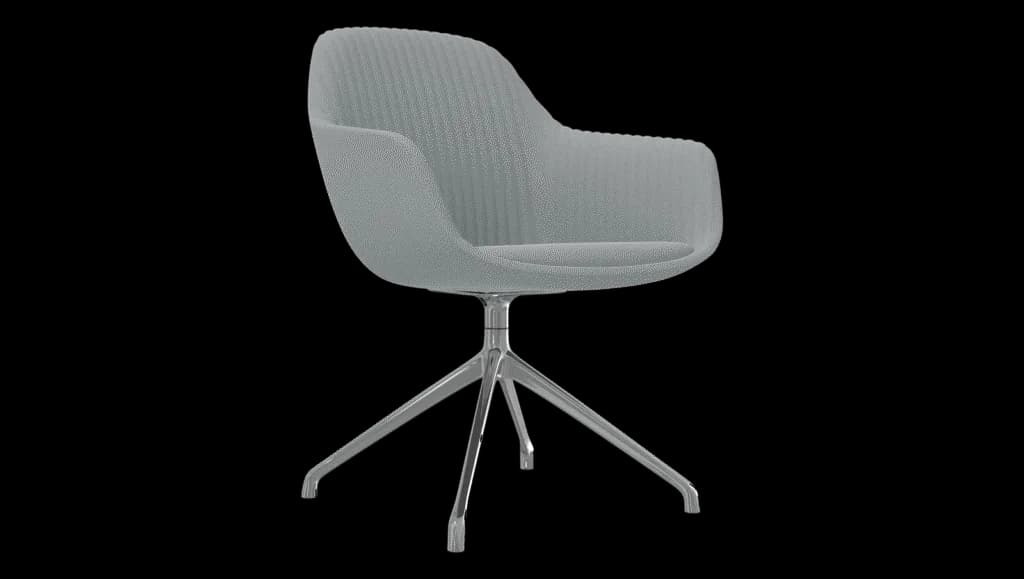
Hospitality Furniture Buying Guide
Hospitality furniture — often grouped under FF&E (Furniture, Fixtures & Equipment) — directly impacts guest experience, brand perception, and revenue per available room. Whether you're outfitting a boutique hotel, a full-service resort, or a limited-service property, the furniture procurement process requires careful coordination between owners, designers, brand representatives, and procurement specialists. This 13-step guide covers the entire FF&E buying journey.
Last updated: March 2026
Step 1: Define Project Scope and Property Type
Hospitality FF&E varies dramatically by property type. A limited-service hotel may need furniture for 120 identical guest rooms and a modest lobby. A full-service resort could require FF&E for multiple room types, suites, restaurants, bars, banquet halls, pool decks, spas, and back-of-house offices. Define your scope by listing every space that requires furniture, the quantity of each room type, and any brand standard requirements that dictate product specifications.
For branded properties (Marriott, Hilton, IHG, Hyatt, etc.), the brand's design team provides a Product Improvement Plan (PIP) or prototype room design that specifies acceptable furniture styles, materials, and sometimes specific approved manufacturers. Independent properties have more creative freedom but still need a cohesive design vision.
Step 2: Establish the FF&E Budget
FF&E budgets in hospitality are typically calculated as a percentage of total project cost — usually 8-12% for new construction and 4-6% for renovations. For a mid-scale property, expect to spend $8,000 to $15,000 per guest room on FF&E, with luxury properties reaching $25,000 to $50,000+ per key. Budget should cover guest room furniture, public area furniture, restaurant and banquet furniture, outdoor furniture, and all freight, warehousing, and installation costs.
Step 3: Assemble Your Procurement Team
Hospitality FF&E procurement involves multiple parties: the owner or management company, the interior designer, the FF&E purchasing agent or procurement firm, and sometimes the brand design team. The purchasing agent is the operational hub — they translate the designer's specifications into purchase orders, manage vendor relationships, coordinate shipping and warehousing, and oversee installation. Choose a procurement firm with a proven track record in your property's segment and scale.
Step 4: Design Development and Brand Approval
The interior designer develops furniture specifications based on the property's design concept, brand standards (if applicable), and budget parameters. For branded properties, all FF&E selections must go through a brand approval process that can take 4-8 weeks. Submit design packages early and expect at least one round of revisions. Independent properties skip brand approval but should still have a formal owner approval milestone to prevent costly changes later in procurement.
Step 5: Guest Room Furniture Specification
Guest room FF&E is the largest single category and typically includes headboard, nightstands, desk or work surface, luggage bench, dresser or media unit, task chair, and soft seating. Specify materials that withstand constant guest use, daily housekeeping, and periodic deep cleaning. Case goods (wood pieces) should use commercial-grade construction with reinforced joints, scratch-resistant finishes, and moisture-resistant materials for bathrooms. Upholstery must meet CAL 117 flammability standards and resist staining.
Step 6: Lobby and Public Space Furniture
The lobby sets the first impression. Furniture must be visually striking, extremely durable, and comfortable enough that guests want to linger. Specify commercial-grade frames, high-density foam, and performance fabrics rated for heavy use. Public area seating should have weight capacities of 300 lbs minimum. Consider the cleaning protocol — lobbies are cleaned overnight and spills happen daily. Light-colored fabrics look beautiful in renderings but require constant maintenance in a hotel lobby.
Step 7: Restaurant, Bar, and Dining Furniture
Restaurant furniture must balance design intent with operational durability. Chairs see multiple turns per meal period — lightweight chairs are easier on staff but must still be structurally robust. Banquette seating should have removable, cleanable cushions. Tables need stable bases that don't wobble on uneven floors. For outdoor dining, specify UV-resistant, weather-proof materials — aluminum frames, solution-dyed acrylic fabrics (like Sunbrella), and resin or teak table tops.
Step 8: Banquet and Meeting Room Furniture
Banquet furniture must be lightweight, stackable, and durable — it gets moved, stacked, and reconfigured constantly. Banquet chairs should weigh under 10 lbs and stack at least 10 high. Folding banquet tables should have locking mechanisms and protective edge banding. Meeting rooms need conference tables with integrated power, ergonomic seating, and the flexibility to accommodate various room configurations from boardroom to classroom to theater style.
Step 9: Pool, Outdoor, and Specialty Areas
Outdoor furniture is subject to sun, rain, wind, chlorine, and heavy guest use. Specify marine-grade materials: powder-coated aluminum frames, UV-stabilized resin wicker, and quick-dry mesh or solution-dyed acrylic fabrics. Pool chaise lounges should be adjustable, stackable for storage, and resistant to sunscreen and chlorine. Budget for outdoor furniture replacement on a 3-5 year cycle — exposure to elements shortens lifespan significantly compared to indoor furniture.
Step 10: Pricing, Sampling, and Order Placement
Before placing full orders, request production samples (strike-offs) for custom upholstered pieces and finish samples for case goods. These samples must be approved by the designer and owner before manufacturing begins. Review all pricing against the FF&E budget, negotiate volume discounts for large orders, and issue purchase orders with detailed specifications including COM (Customer's Own Material) requirements where applicable.
Step 11: Manufacturing and Lead Time Management
Hospitality furniture lead times range from 12 to 20 weeks for domestic production and up to 16 to 24 weeks for overseas manufacturing. Custom pieces and COM fabrics add time. Your procurement agent should provide a master tracking schedule with production milestones for every vendor. Build in buffer — a delayed headboard shipment can hold up the opening of an entire floor of guest rooms.
Step 12: Warehousing, Delivery, and Installation
Hospitality FF&E is typically delivered to a receiving warehouse where it is inspected, inventoried, and staged by room type before being transported to the property. This prevents the chaos of receiving hundreds of shipments directly at a construction site. Installation is usually done floor-by-floor or wing-by-wing, coordinated with construction completion schedules. A pre-installation meeting with the general contractor, installer, and hotel operations team is essential.
Step 13: Punch List, RevPAR Impact, and Lifecycle Planning
Walk every guest room and public space with the designer and installer. Document any damage, incorrect pieces, or quality issues on a detailed punch list with photographs. Resolve all punch list items before the first guest checks in. After opening, track the impact of your FF&E investment on RevPAR (Revenue Per Available Room) and guest satisfaction scores — quality furniture directly correlates with higher room rates and better reviews.
Establish a lifecycle replacement plan at the time of purchase. Guest room soft goods (upholstery, bedding platforms) typically need refreshing every 5-7 years. Case goods last 7-10 years. Public area furniture in high-traffic zones may need replacement every 3-5 years. Planning ahead allows you to budget for renovations incrementally rather than facing a massive capital expenditure when the entire property ages out simultaneously.
Planning a hospitality FF&E project?
Austin and his team of specialists work directly with hotel owners, management companies, and designers on FF&E procurement. Tell us about your property.
Get Started →